
The protecing.health Global Initiative has officially launched its global 10+ year cohort program and the PH1.0 development platform. This marks a significant landmark in the international collaboration to develop the world’s first scalable, blood-based health screening algorithm for early detection of risk for major chronic diseases.
Building on the model established by the Ludwig-Maximilians-Universität München (LMU), Center for Molecular Fingerprinting Research (CMF) and the University of Hong Kong, the Initiative establishes harmonized, long-term longitudinal cohorts across continents.
Each Partner will recruit and follow up to 15,000 participants over a 10+ year period, collecting comprehensive clinical data and blood samples every six months. This high-frequency sampling enables the establishment of personalized molecular profiles, allowing the detection of subtle molecular changes long before clinical symptoms appear.
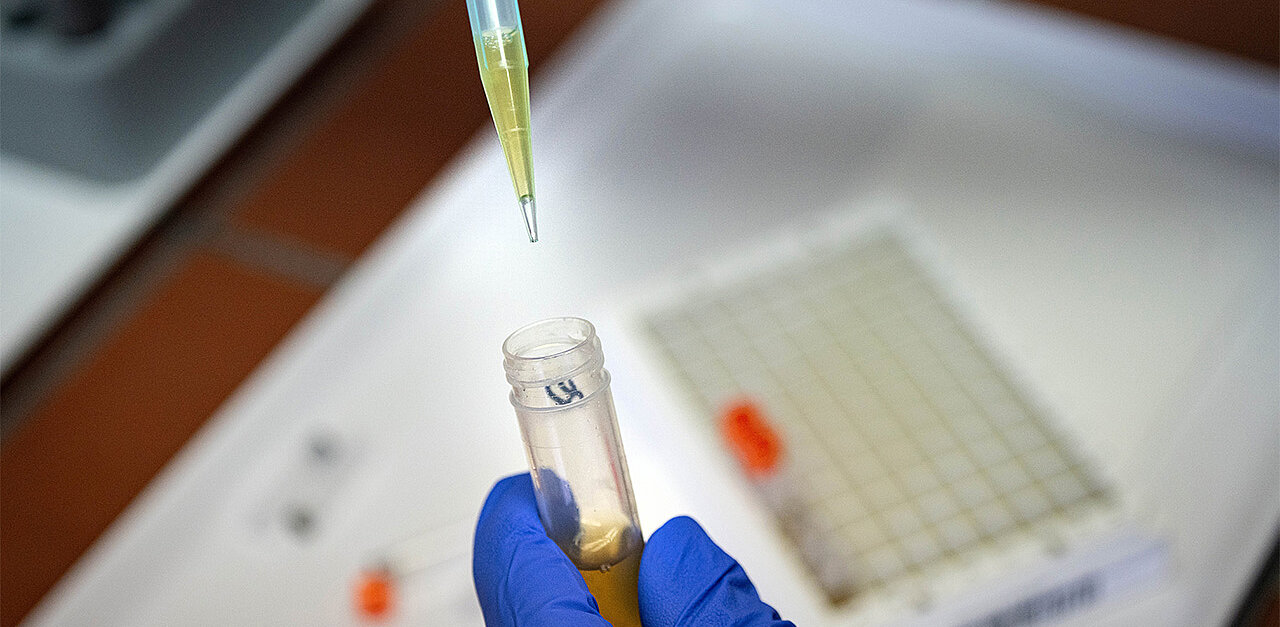
Samples and pseudonymized health data will be analyzed at the protecing.health Molecular Phenotyping Center (MPC) operated by CMF. There, standardized multimodal phenotyping will be performed using cutting-edge infrared laser spectroscopy and mass spectrometry. These comprehensive data, powered by artificial intelligence, will drive the development of the PH1.0 Screening Algorithm — designed to become the world’s first scalable, cross-ethnic, cross-age blood-based health screening tool.
PH1.0’s initial focus is on the early detection of cardiovascular disease, diabetes, chronic obstructive pulmonary disease (COPD), and cancer. Over time, as the database size increases, the scope will progressively expand to include neurodegenerative disorders and rare diseases.
The Initiative’s long-term vision is systemic transformation in the healthcare system: shifting from late-stage treatment toward early detection and prevention — improving public health outcomes, reducing healthcare expenditures, and extending healthy, active lifespans around the world.
Picture: Thorsten Naeser


